
In an era of artificial intelligence, digital banking, and automated financial tools, many people assume that spreadsheets are outdated. However, in 2026, financial spreadsheets remain one of the most effective, flexible, and affordable ways to manage personal finances.
Whether you are tracking a household budget, managing business expenses, saving for retirement, or paying down debt, a well organized spreadsheet provides complete visibility into your financial situation. Unlike many budgeting apps that offer limited customization, spreadsheets allow users to create a personalized financial system that matches their goals and lifestyle.
For individuals and families looking to improve their financial habits, using a spreadsheet continues to be a powerful strategy for achieving long term financial success.
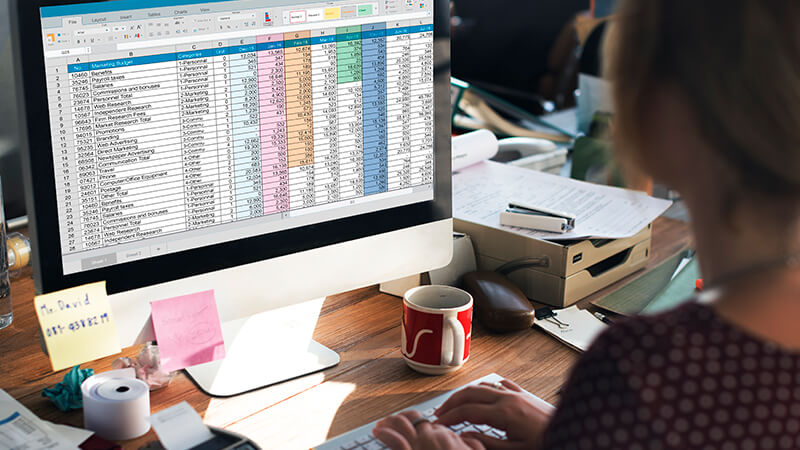
Why Financial Spreadsheets Still Matter in 2026
Technology has transformed personal finance, but the basic principles of money management remain the same. Successful budgeting depends on understanding where your money comes from, where it goes, and how your financial decisions affect your future.
Financial spreadsheets make this process simple by organizing all your income, expenses, savings, investments, and financial goals in one place.
Because they are fully customizable, spreadsheets work for students, employees, freelancers, entrepreneurs, retirees, and anyone seeking greater control over their finances.
Complete Visibility Into Your Finances – Spreadsheets
One of the greatest advantages of using a financial spreadsheet is transparency.
Instead of guessing how much money is available, you can clearly see your monthly income, recurring bills, discretionary spending, debt payments, savings contributions, and investment growth.
This complete financial picture helps eliminate surprises and allows you to make informed financial decisions based on accurate data rather than estimates.
Better Budget Planning
A budgeting spreadsheet allows you to plan every dollar before it is spent.
By assigning monthly income to categories such as housing, groceries, transportation, insurance, entertainment, healthcare, debt repayment, and savings, you gain greater control over your cash flow.
Planning expenses in advance also reduces the likelihood of overspending and encourages consistent saving throughout the year.
Easier Expense Tracking – Spreadsheets
Many people underestimate how much they spend on small daily purchases.
Recording expenses in a spreadsheet creates awareness of spending habits that often go unnoticed. Over time, this information helps identify unnecessary expenses and opportunities to improve financial efficiency.
Even small adjustments can generate significant annual savings.
Helping You Reach Financial Goals Faster
Financial goals become more achievable when progress is measurable.
Whether your objective is building an emergency fund, saving for a home, paying off student loans, purchasing a vehicle, or preparing for retirement, a spreadsheet allows you to monitor milestones and stay motivated.
Tracking progress visually makes long term financial planning easier and more rewarding.
Supporting Smarter Investment Decisions
Investors can also benefit from financial spreadsheets.
Tracking portfolio performance, dividend income, investment contributions, asset allocation, and long term returns provides valuable insights that support better financial decisions.
Instead of relying solely on investment platforms, maintaining your own records creates a broader understanding of your overall financial position.
Business Owners Benefit as Well
Financial spreadsheets are not limited to personal budgeting.
Small business owners, freelancers, and independent contractors use spreadsheets to organize revenue, operating expenses, invoices, taxes, payroll, and cash flow.
Maintaining accurate financial records helps improve profitability while simplifying tax preparation and financial reporting.
Cloud Based Spreadsheets Increase Convenience
In 2026, cloud based spreadsheet platforms make financial management even easier.
Users can securely access their financial information from computers, tablets, or smartphones while benefiting from automatic backups, real time synchronization, and collaboration features.
Cloud storage also reduces the risk of losing important financial records.
Common Mistakes to Avoid
Although spreadsheets are highly effective, they require consistency.
Avoid forgetting to update transactions, using unrealistic budget estimates, ignoring irregular expenses, failing to back up important files, or creating overly complicated spreadsheets that become difficult to maintain.
Simple, organized systems are often the most successful over the long term.
Tips for Building an Effective Financial Spreadsheet
Create separate sections for income, fixed expenses, variable expenses, savings, investments, debt, and financial goals.
Review your spreadsheet regularly.
Update transactions consistently.
Compare planned spending with actual spending.
Adjust your budget as your financial situation changes.
Celebrate progress when important financial milestones are reached.
These habits transform a spreadsheet into a valuable financial planning tool rather than just a record of past spending.
Final Thoughts
Despite the growing popularity of budgeting apps and financial automation, financial spreadsheets continue to be one of the smartest money management tools available in 2026. They provide unmatched flexibility, complete transparency, and total control over your financial information.
By consistently tracking income, monitoring expenses, planning budgets, and measuring progress toward financial goals, you can build stronger financial habits, reduce unnecessary debt, increase savings, and create long term financial stability.
Sometimes the simplest financial tools remain the most powerful, and a well maintained spreadsheet is proof that effective money management does not require expensive software, only consistent discipline and informed decision making.