
How Credit Cards in the USA Can Improve Your Financial Life
Credit cards are often viewed negatively because of the debt they can create. However, when used responsibly, credit cards can

Credit cards are often viewed negatively because of the debt they can create. However, when used responsibly, credit cards can
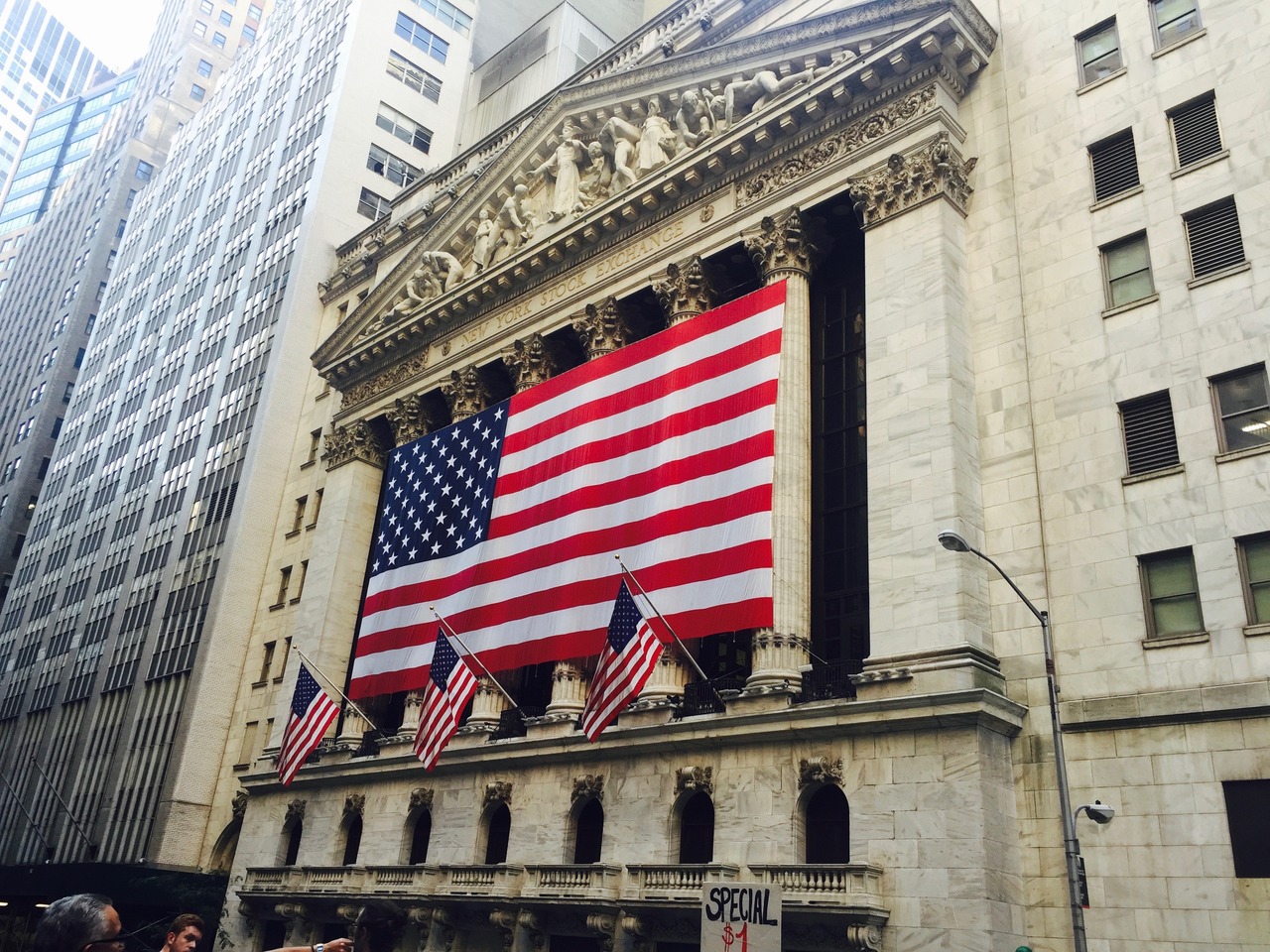
The U.S. stock market continues to be one of the most popular and effective ways to build wealth over time. In 2026,

In an era of artificial intelligence, digital banking, and automated financial tools, many people assume that spreadsheets are outdated. However,

Many parents want their children to grow up financially responsible, but few know where to begin. The truth is that

One of the most important financial questions people ask is: How much money do you need to retire comfortably? The answer

Unlock new opportunities: make strategic investments in the booming entertainment and streaming sectors today!

Financial education in U.S. schools is vital for equipping students with necessary life skills. Current initiatives focus on integrating financial literacy into curriculums to prepare students for real-world financial challenges.

Changes in interest rates significantly influence American consumers by affecting borrowing costs, savings returns, and overall economic activity, impacting purchasing decisions and financial planning.

AI’s integration into the American financial sector has significantly enhanced operational efficiency, risk management, and customer experience, transforming traditional financial services and strategies.

Strategies for diversifying investment portfolios in the USA involve spreading assets across various sectors and financial instruments to minimize risks and enhance returns. Key strategies include sector allocation, geographic diversification, and investing in different asset classes.
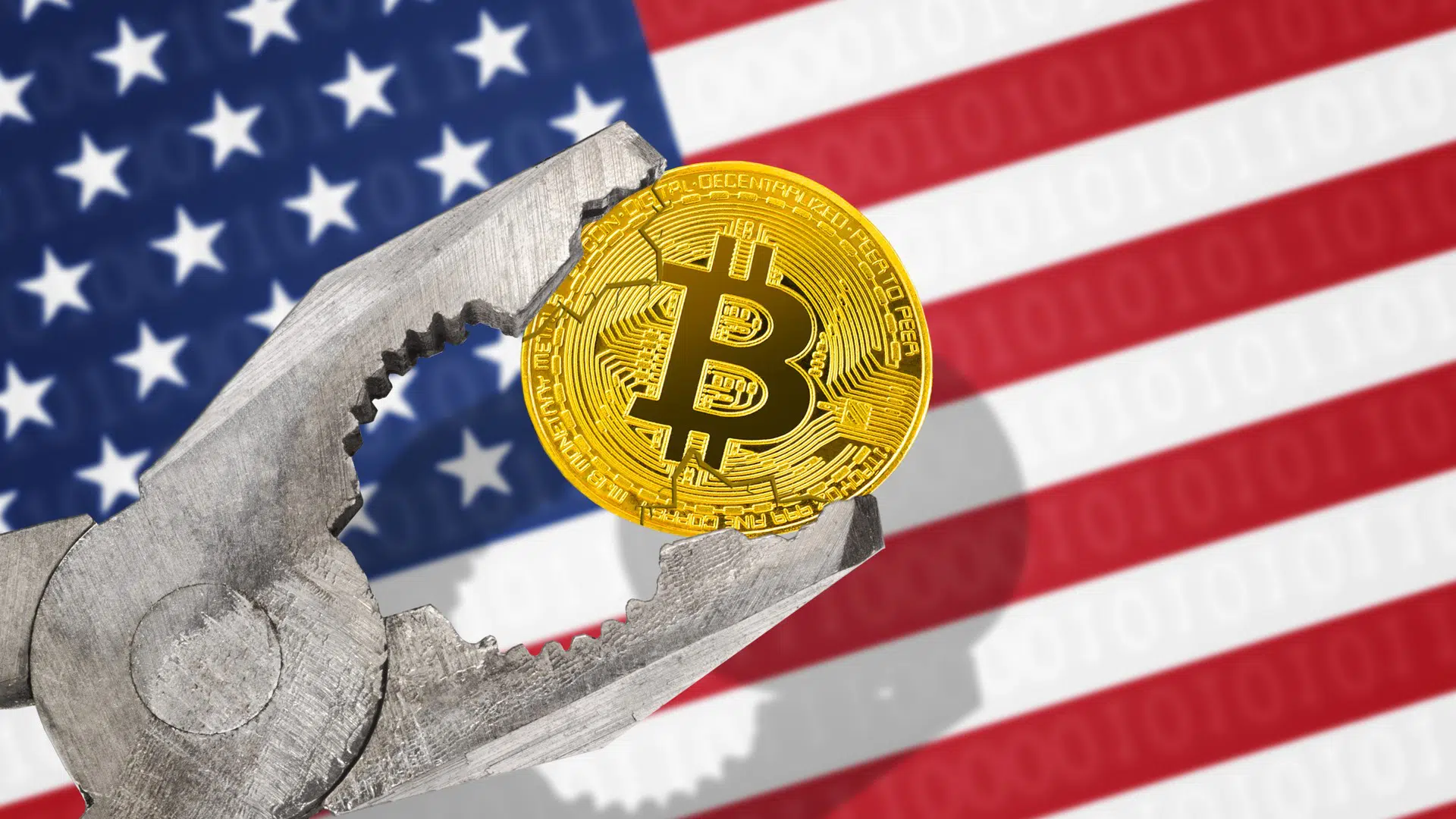
The evolution of the cryptocurrency market in the United States highlights significant growth, regulatory changes, and increased adoption, reflecting its impact on the financial landscape.
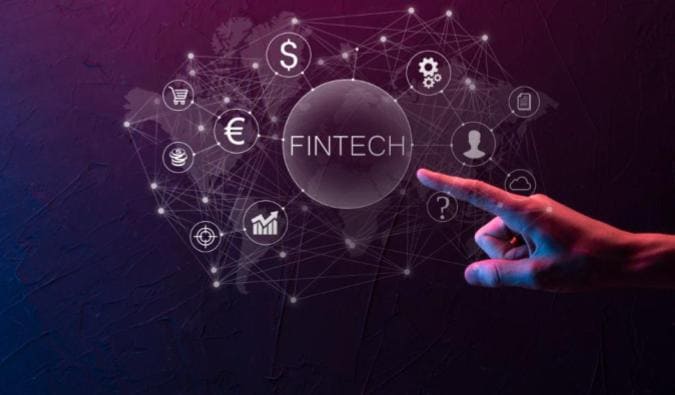
Fintechs in the United States are transforming credit and lending with innovative technologies, offering faster, more accessible financial services, and expanding financial inclusion for underserved populations.

The U.S. Financial sector faces regulatory challenges, including compliance with evolving laws, cybersecurity threats, and balancing innovation with consumer protection, all of which impact its stability and growth.

Presidential elections significantly impact American financial markets, influencing stock prices, investor behavior, and market volatility based on candidate policies and potential regulatory changes.
Their investment decisions and global operations influence economic stability and market dynamics.

Traditional banks in the USA face challenges and opportunities as fintechs rise, pushing the sector to innovate, adopt new technologies, and enhance customer experiences.