
Demystifying the Euro: How European Finance Can Impact the United States Economy
The euro is much more than a currency used to pay for groceries, book hotels, or conduct business across Europe.

The euro is much more than a currency used to pay for groceries, book hotels, or conduct business across Europe.

Retirement does not mean the end of financial growth. For many older adults, it represents an opportunity to rethink their

Credit cards get a bad reputation. You hear stories about people drowning in credit card debt, paying hundreds or even

Saving money for the future sounds simple. Spend less than you earn, put money aside every month, invest consistently, and
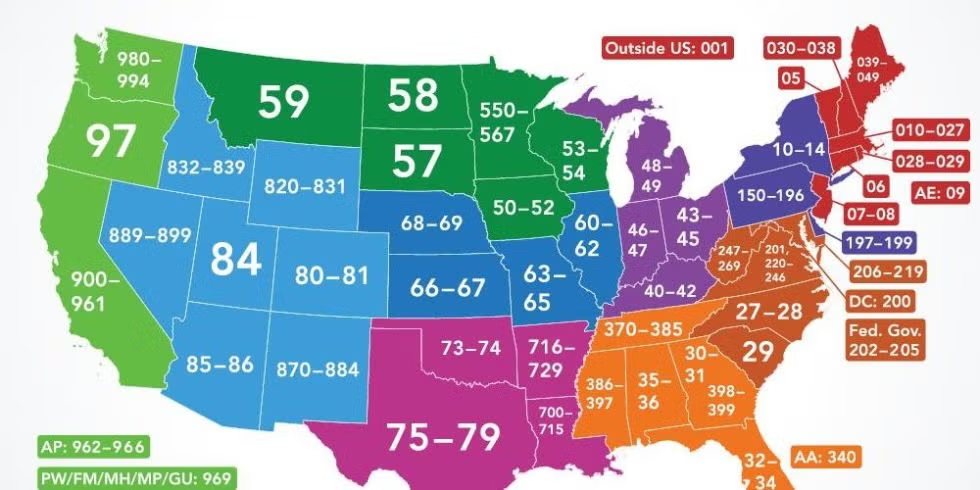
Let’s talk about zip code? Imagine two Americans earning exactly the same salary. Both make: $100,000 a year. They have
For many Americans, owning a car isn’t considered a luxury. It’s a necessity. You need it to get to work.

Globalization has significantly influenced the American economy, driving innovation, increasing competition, and broadening market access. However, it has also resulted in job displacement and economic disparities, posing challenges for certain sectors and communities.

Hedge funds play a crucial role in the U.S. economy by offering liquidity, managing risks, and driving capital allocation, thereby enhancing market efficiency and fostering economic growth.
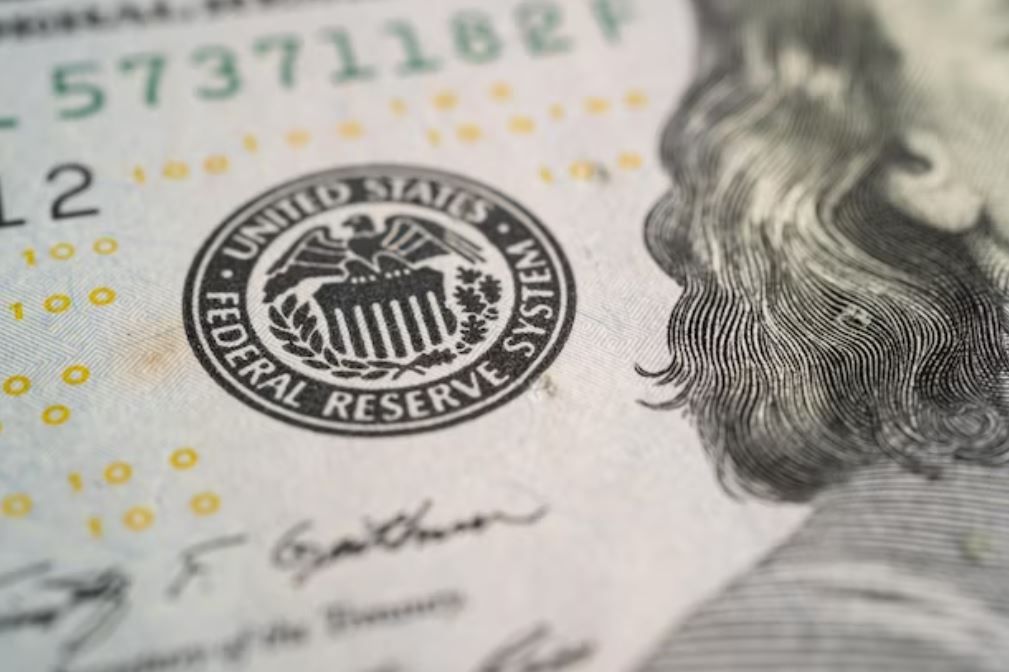
Federal Reserve monetary policy impacts the U.S. economy by controlling money supply and influencing interest rates, affecting inflation, employment, and economic growth.

Startup financing in the American market presents notable opportunities and challenges, highlighting key factors entrepreneurs must navigate to secure funding and thrive.

Financial education in U.S. schools is vital for equipping students with necessary life skills. Current initiatives focus on integrating financial literacy into curriculums to prepare students for real-world financial challenges.

Changes in interest rates significantly influence American consumers by affecting borrowing costs, savings returns, and overall economic activity, impacting purchasing decisions and financial planning.

Strategies for diversifying investment portfolios in the USA involve spreading assets across various sectors and financial instruments to minimize risks and enhance returns. Key strategies include sector allocation, geographic diversification, and investing in different asset classes.

Fintechs in the United States are transforming credit and lending with innovative technologies, offering faster, more accessible financial services, and expanding financial inclusion for underserved populations.

The U.S. Financial sector faces regulatory challenges, including compliance with evolving laws, cybersecurity threats, and balancing innovation with consumer protection, all of which impact its stability and growth.

Presidential elections significantly impact American financial markets, influencing stock prices, investor behavior, and market volatility based on candidate policies and potential regulatory changes.